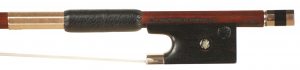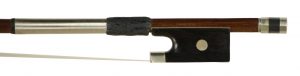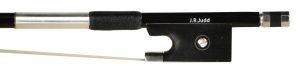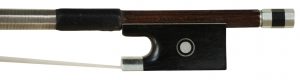
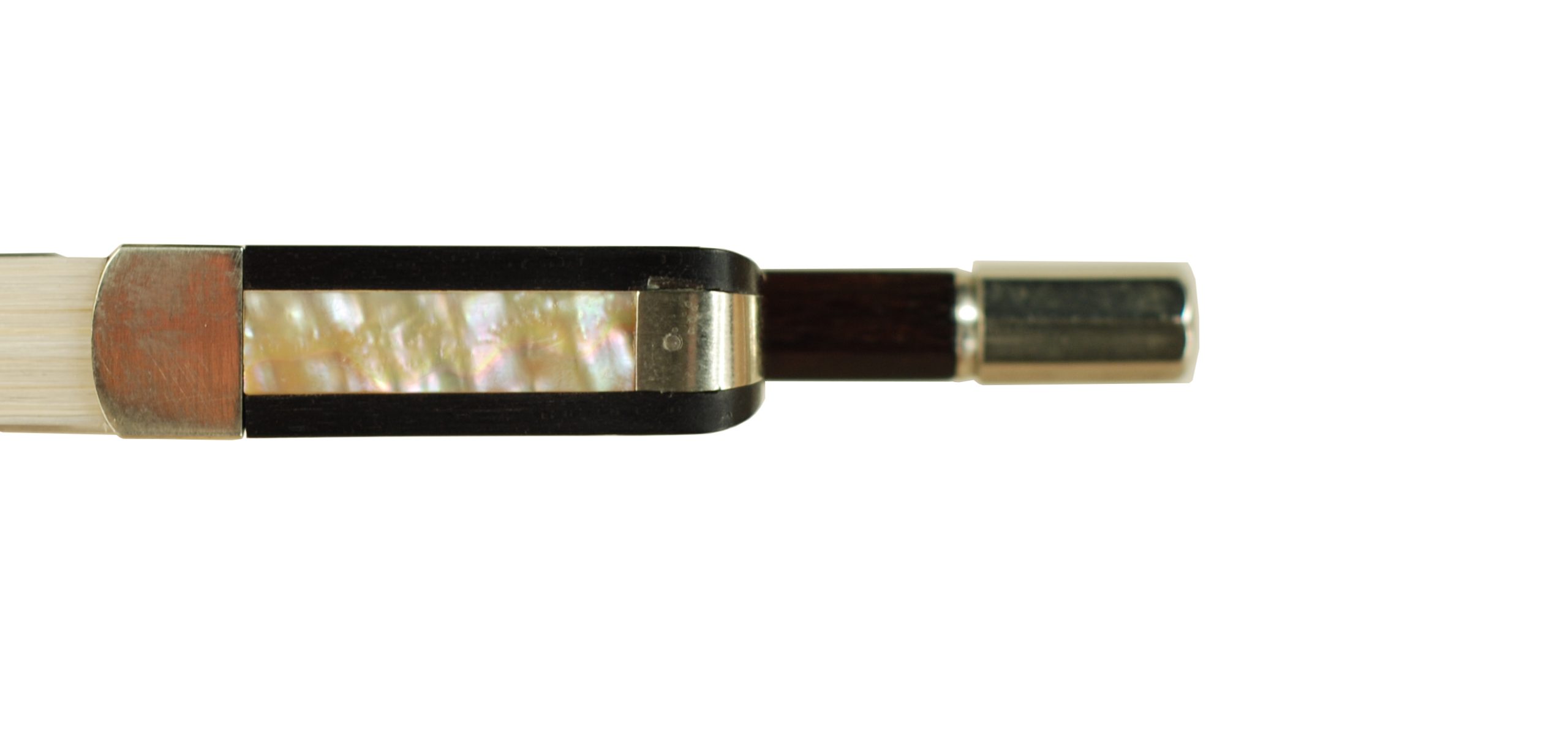
Otto Albert Hoyer Sterling Silver Violin Bow – Markneukirchen circa 1930-1940 -CURRENTLY OUT ON TRIAL-
$2,695.00
click picture to enlarge
Stamped:
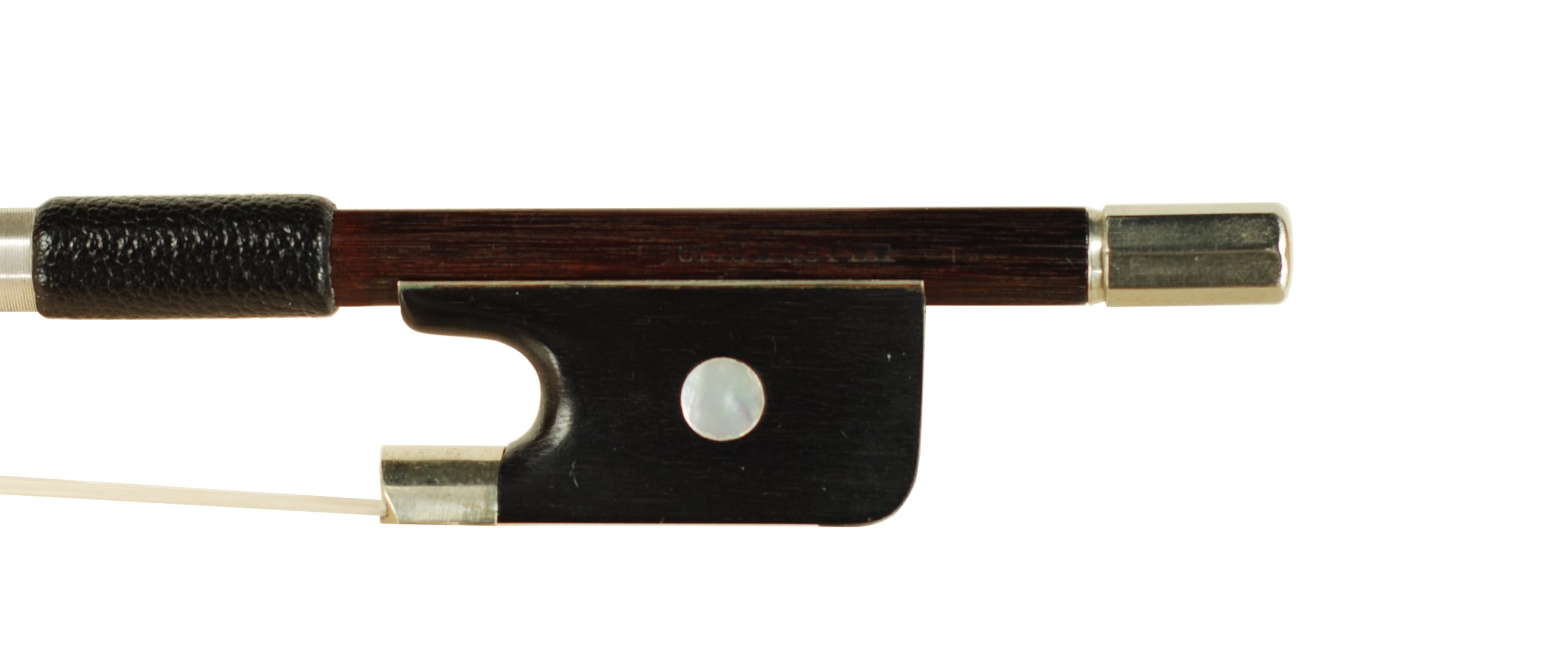
GERMANY – on the butt of the bow
We have a beautiful old bow made by Otto Hoyer 1889-1966. Otto came from a branch of the old, well established Markneukirchen bow making family whose roots in the industry go back to Carl Wilhelm Hoyer 1772-1836. The first maker from this family who stamped his bows on a regular basis was Otto. He learned the craft of bow making from Ernst August Hoyer, his father. According to the family, he worked in Paris for E. Sartory between 1911-1913. In 1913 Otto was known by his nickname “Pariser” and set up his shop in Markneukirchen and worked there well into his old age.
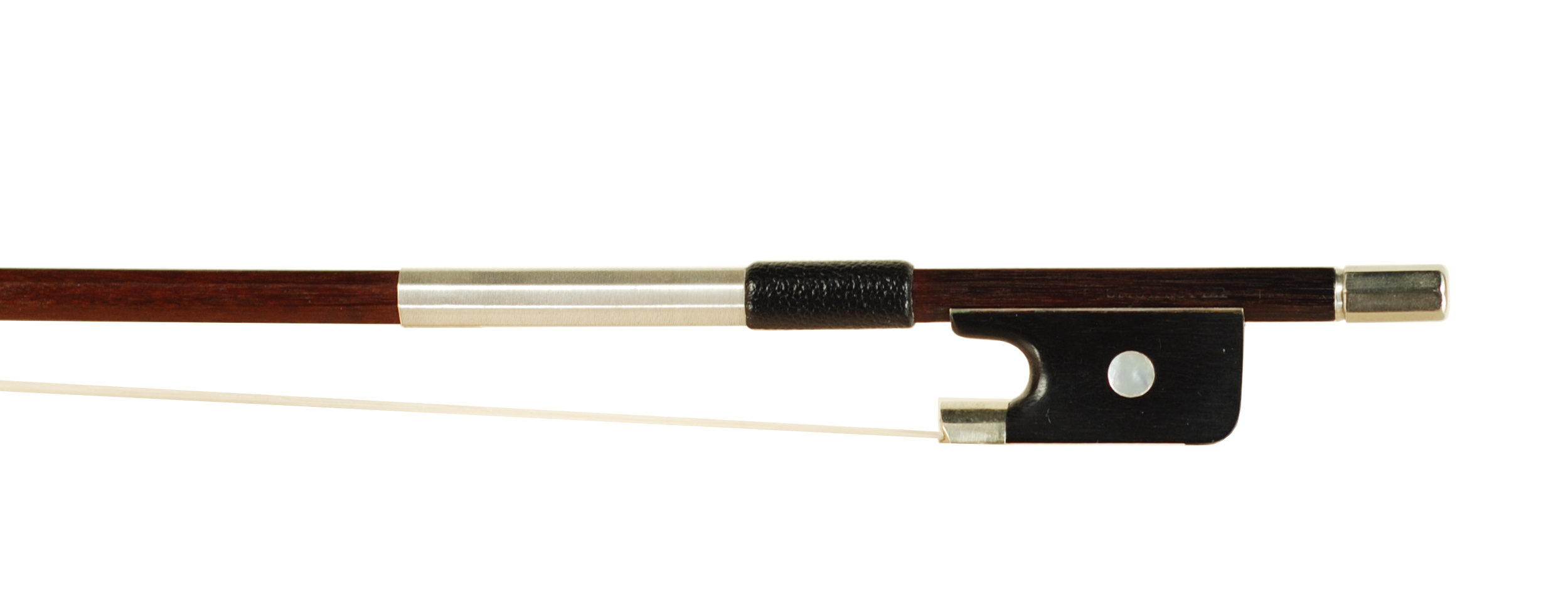
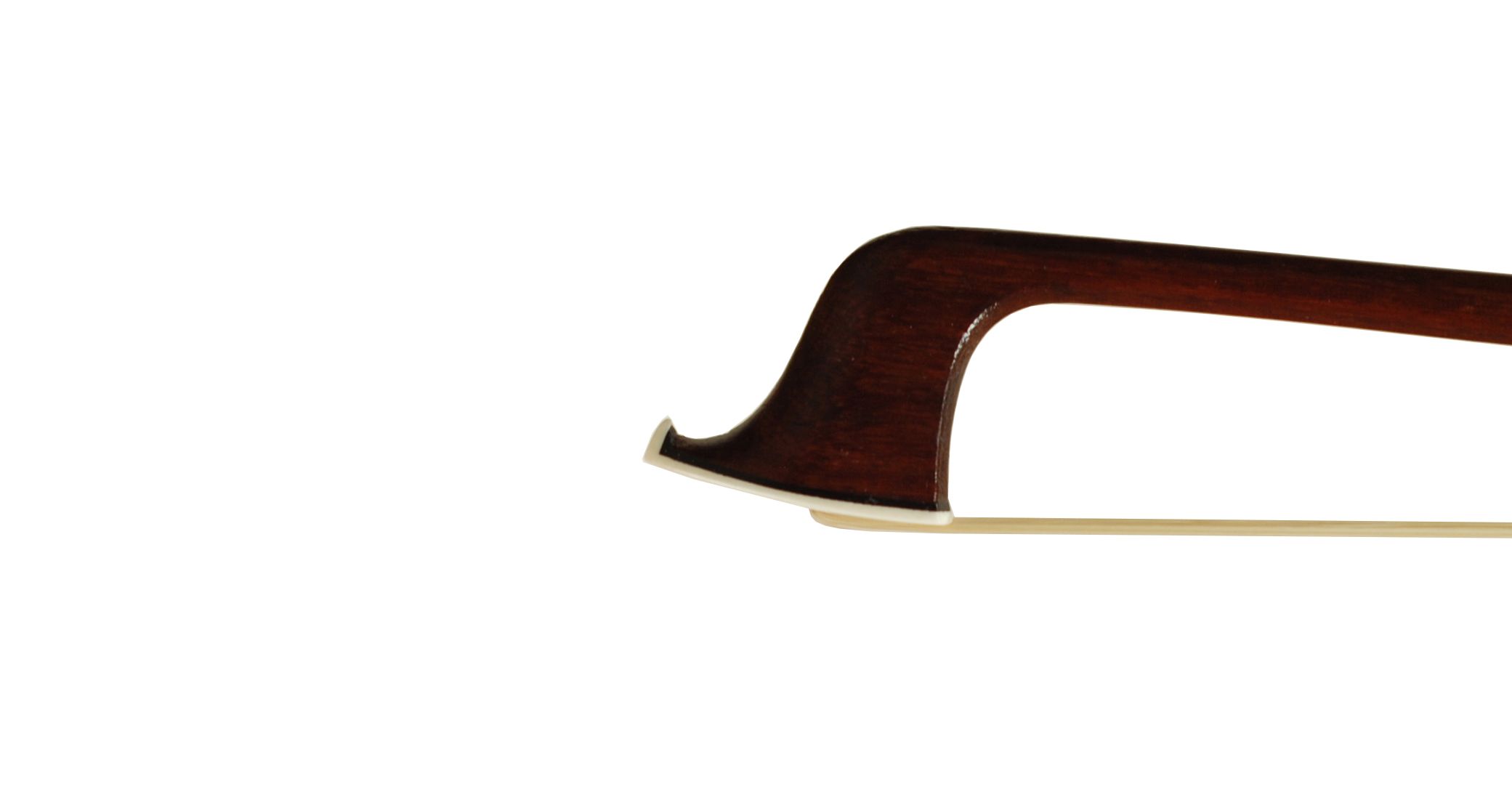
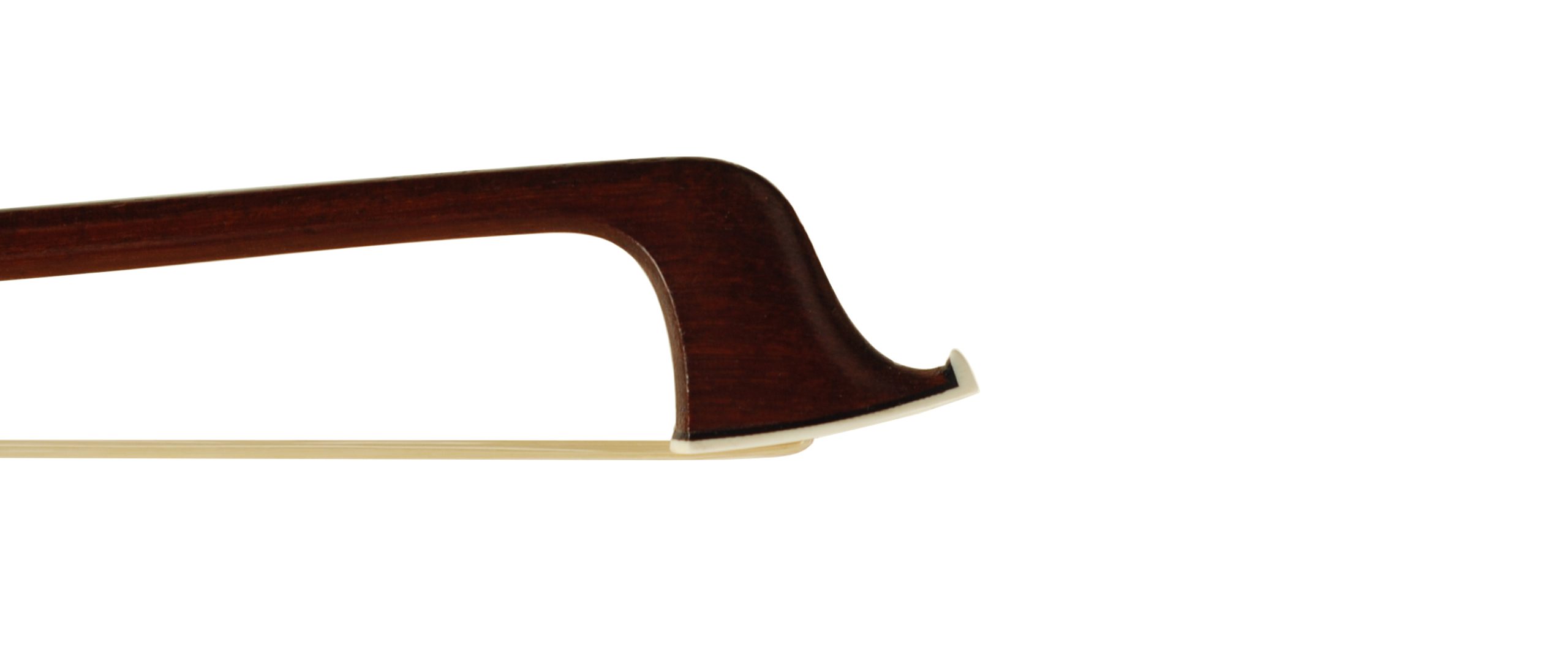
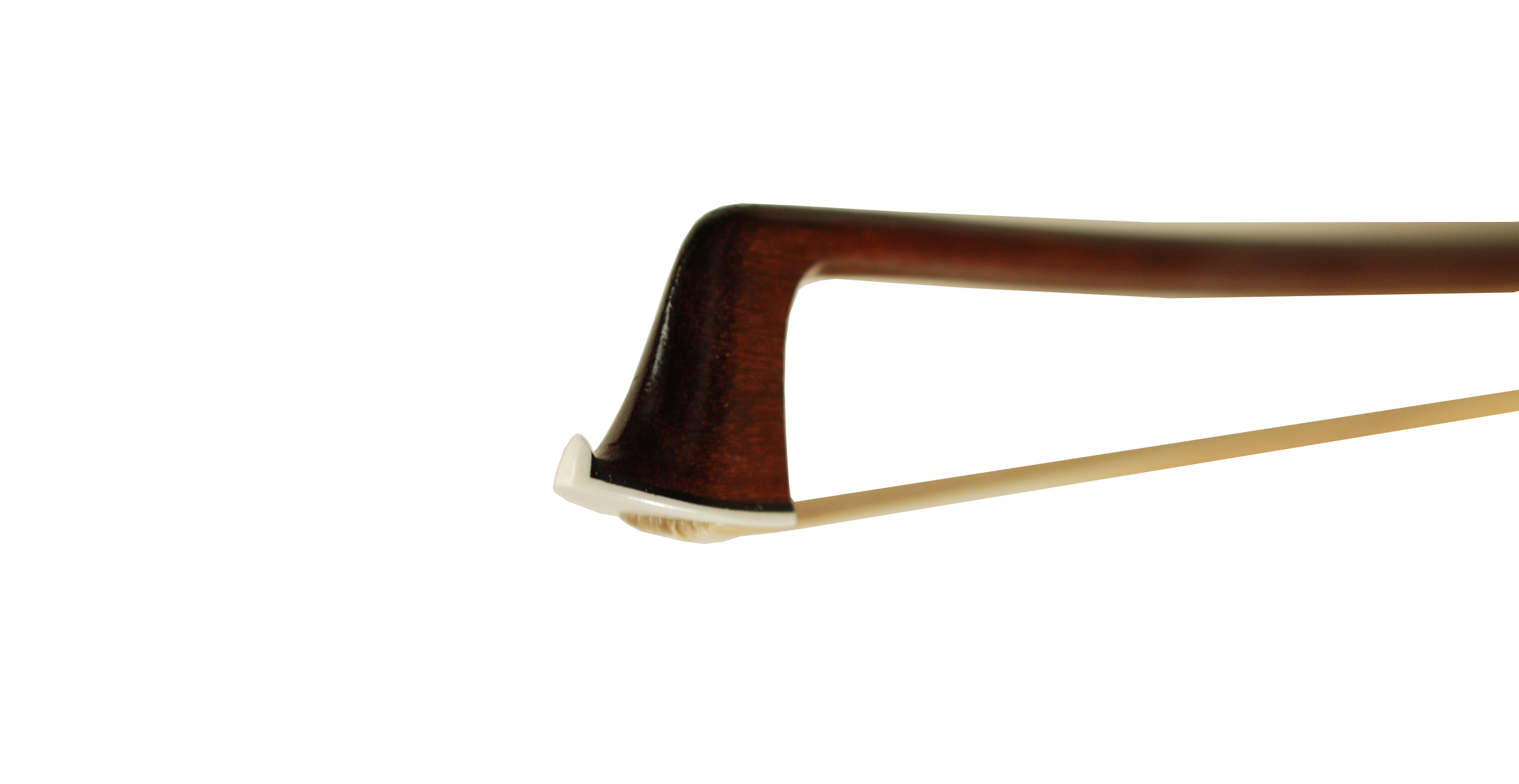
This bow is an early example of his work. It shows some French influence in the head but was definitely made in Germany, as stamped. The head has a slightly flat nose and face plate surface. The pernambuco is in octagonal section and incremented well, leaving no extraneous girth to the bow. The bow has good flex and just enough firmness and strength. This stick handles off the string articulations and feels like a well-balanced feather in the right hand. The wood is handsome old chocolate colored pernambuco. It was harvested in Brazil in the 1800’s and made its way by boat to the European continent to be fully cut into slabs and dried for 15-20 years. Then the wood was selected to be made into a violin bow.
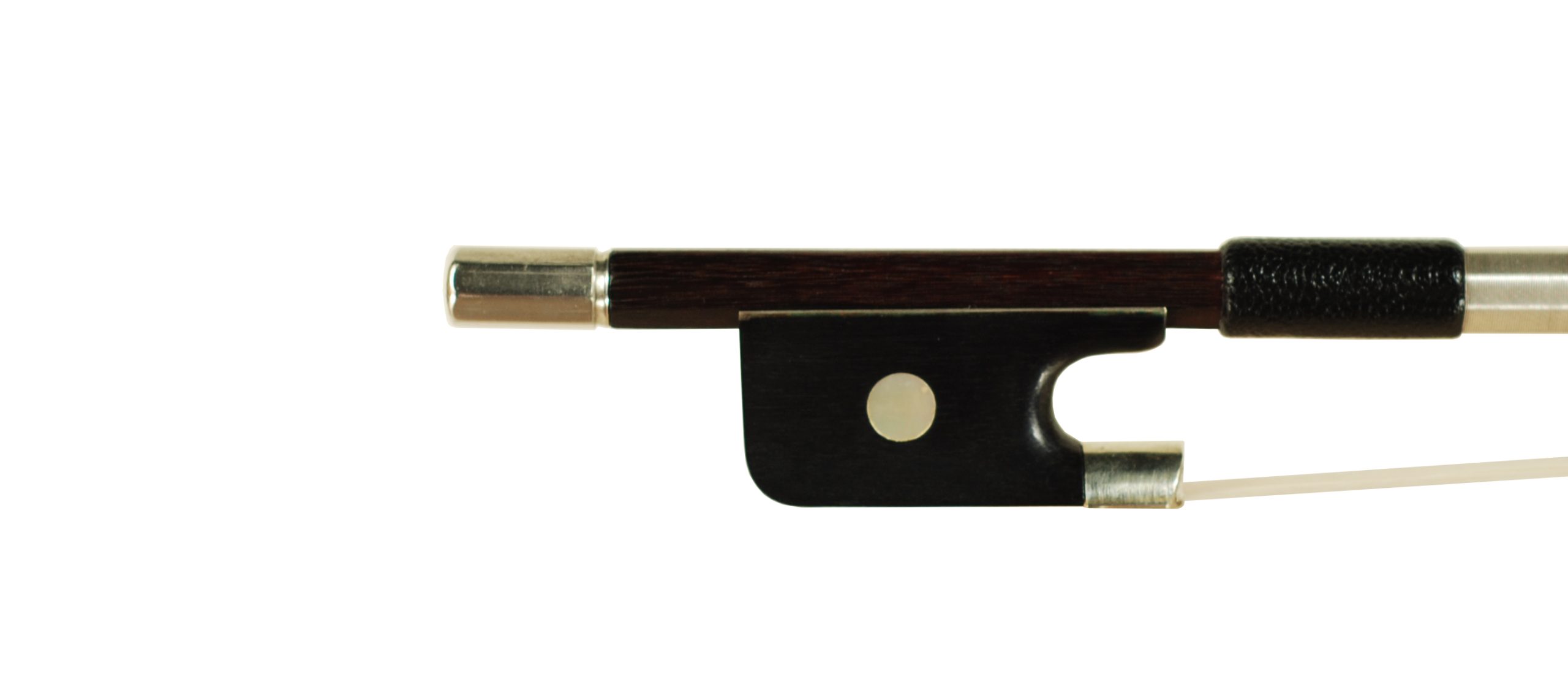
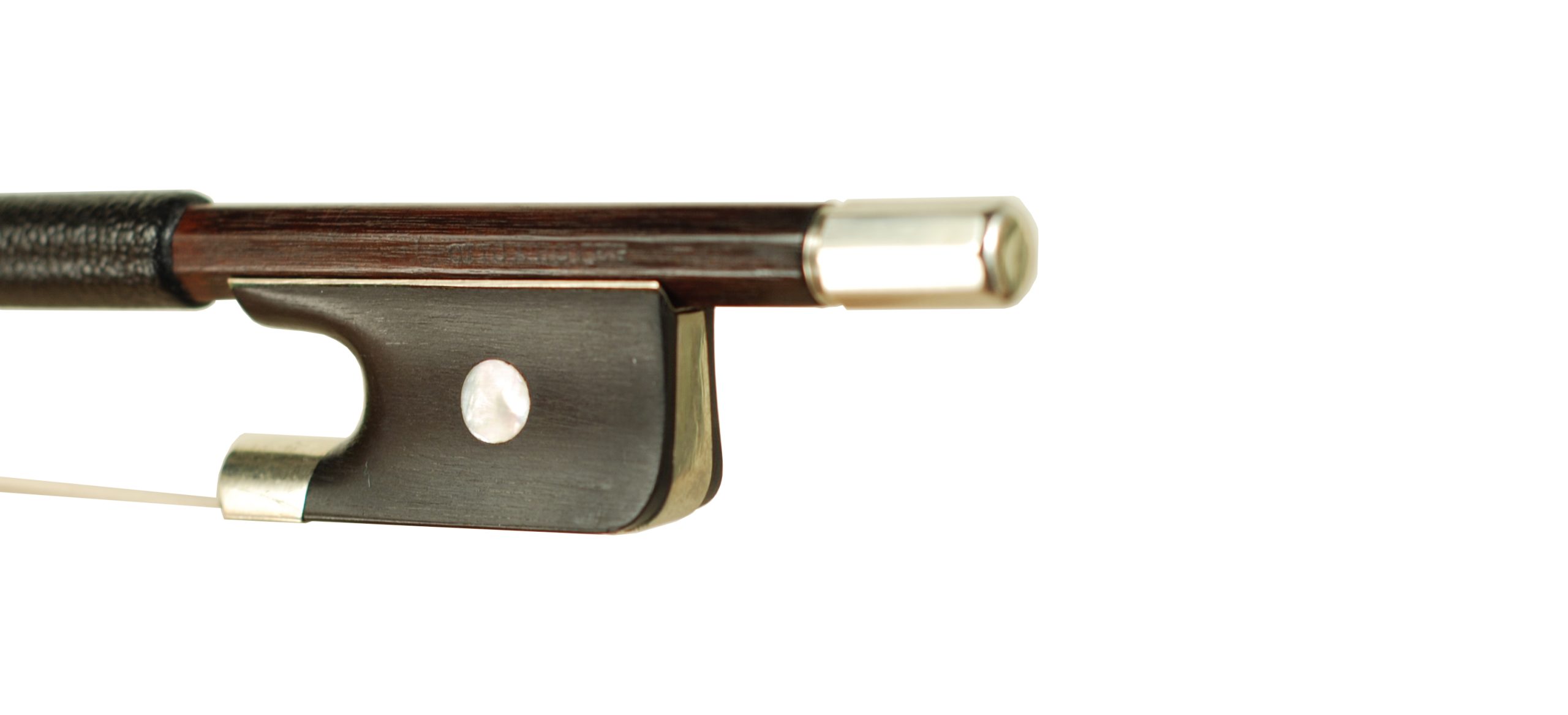
I cleaned the bow well with 190 proof alcohol, cut a new facial plate in casein material, and removed the old worn-out sterling silver and messed up leathers. The bow has a fresh new sterling wind with a goat leather thumb grip. I got the bow back to the original gram weight; well, just under by .01 tenth of a gram. If I made the leather thumb just 2.0 – 3.0 mm longer it would have been so very close. It is hard for me to really tell because of how worn the original winding and leather were. But it is close. Everything else is original to the bow. This is a gem of a bow featuring a round violin frog, not the standard 90-degree angle frog. The frog is sterling silver mounted and held with fine silver pin work. The lining is also secured with pin work. The mortis had been elongated by 1.5 mm., sometime in the past. I wish the stick was never altered, but I decided to leave the length as it is. The ebony frog and jewelry work are typical German style, not a French style. The bow has been fantastic to study and play with. The button is a silver cap, not three pieces. If you’re a violinist looking for old stuff I believe you may totally fall in love with this classic bow from a famous maker’s shop.
Weight fully haired 57.5 grams