William Smith Violin – London circa 1813
$7,000.00
click picture to enlarge
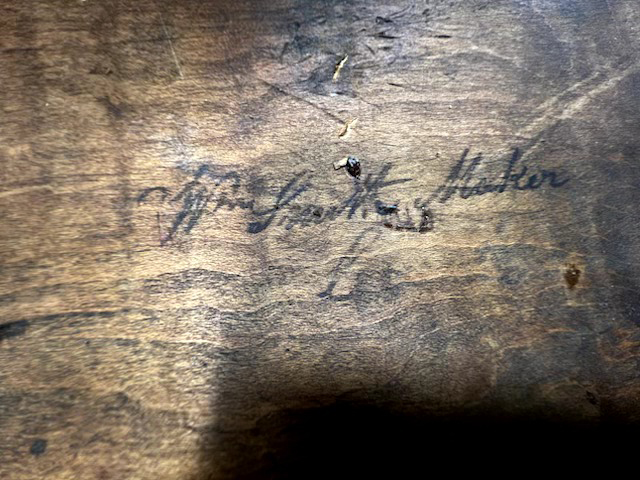
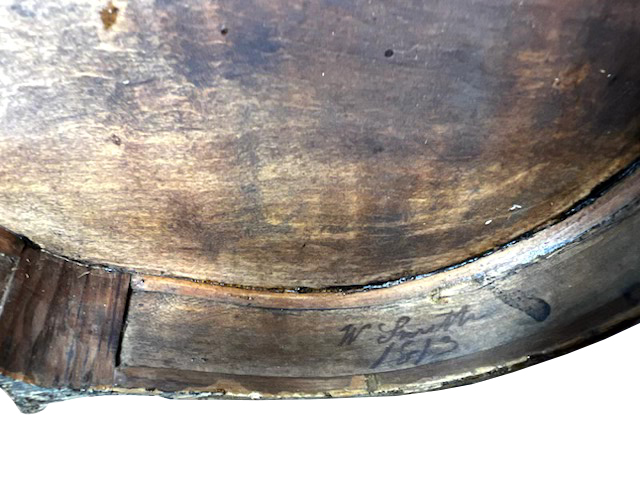
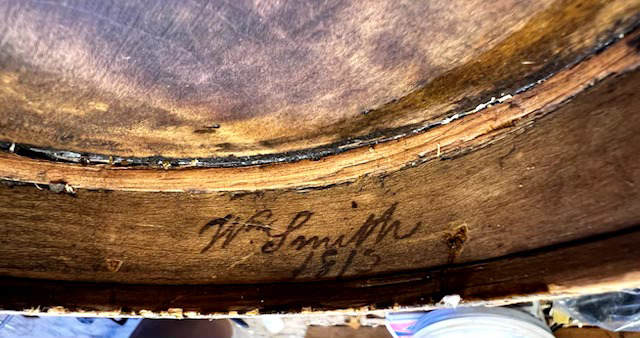
Hand Signed on the back plate:
London
Violin making in England consisted of men who wanted to be or who were business owners, entrepreneurs, and generally very good craftsman. They wanted to make a name for themselves in England. Englishmen, just like Americans, want to do things their own way, own property, and hang a shingle. Very few ever thought of a large workshop and pulling in talent from all over their island to create a larger-than-life workshop. Making instruments and bows was mainly done in individual small workshops. There were no massive large-scale workshops like that of Mirecourt and Markneukirchen. Nowhere did large family traditions of following in your father’s footsteps and student-teacher relationships emerge which shaped centuries of violin making like in France and Germany. As a result of not having centuries of family makers, English violin making in the late 1700’s and first half of the 1800’s was marked by hills and valleys. Even if the maker was outstanding, economically he struggled. The makers of this period had trouble making a significant amount of money and therefore making a good living off their craft was a struggle.
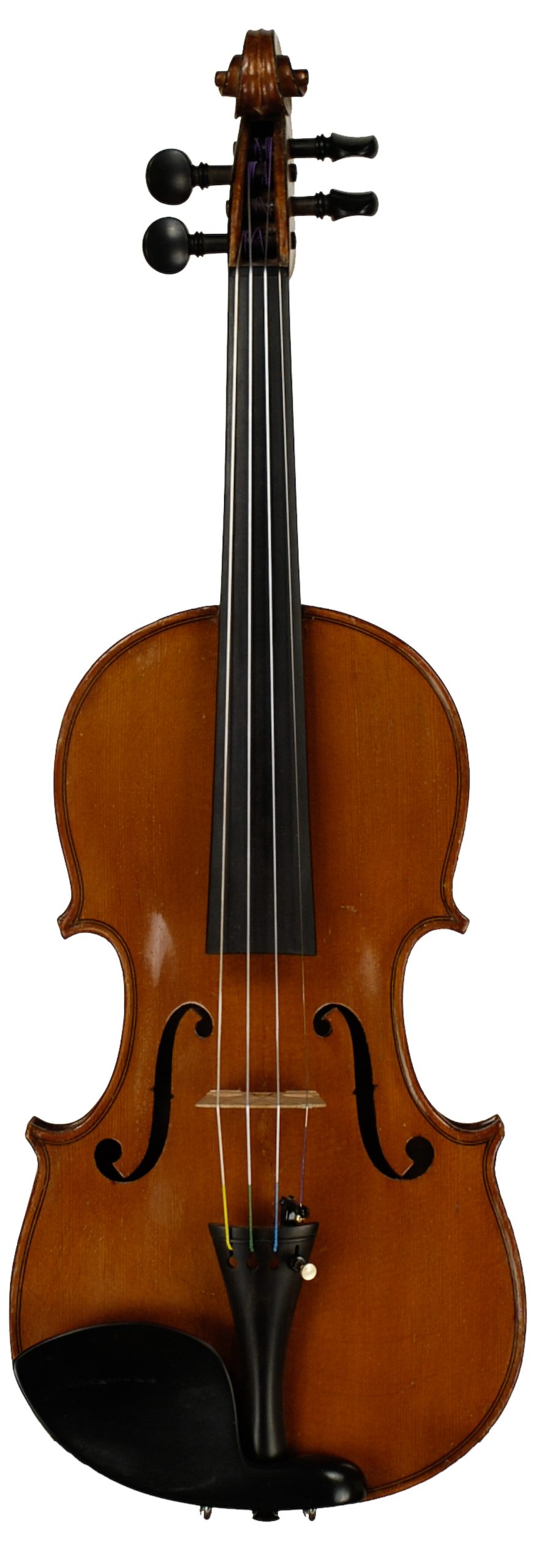
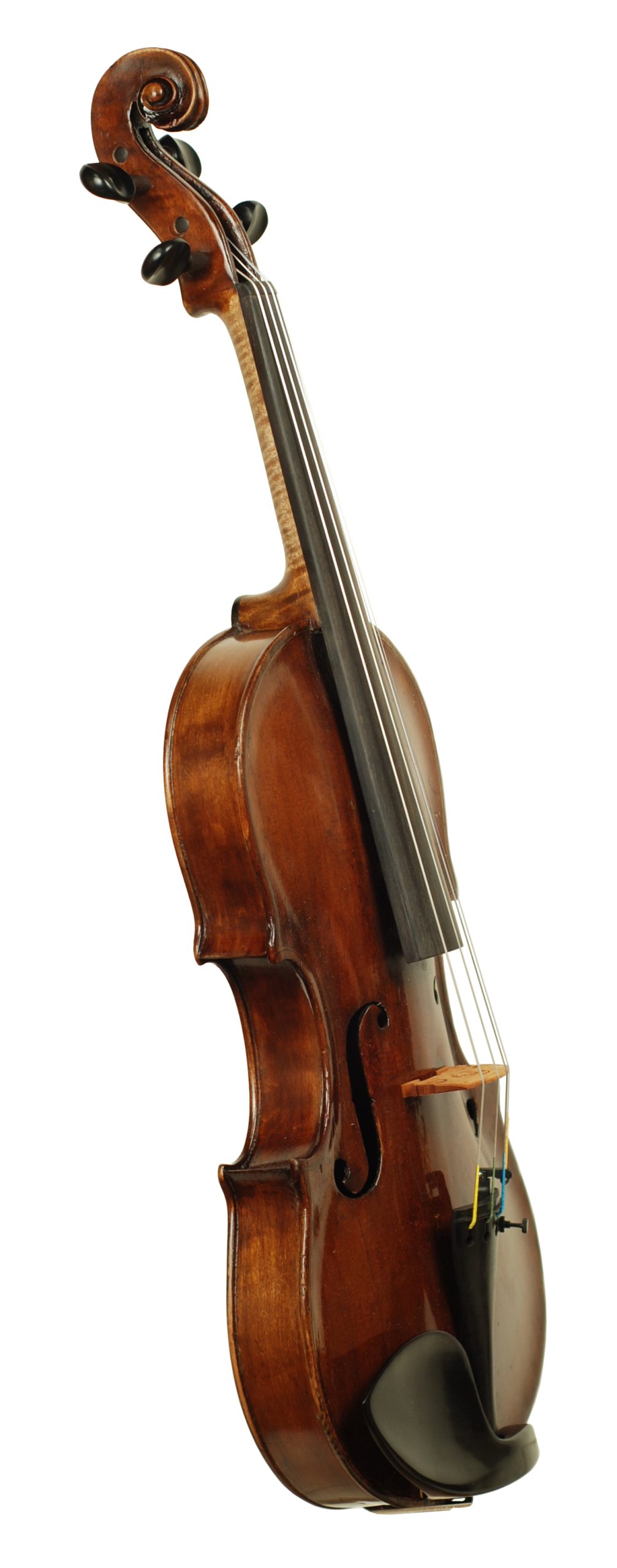
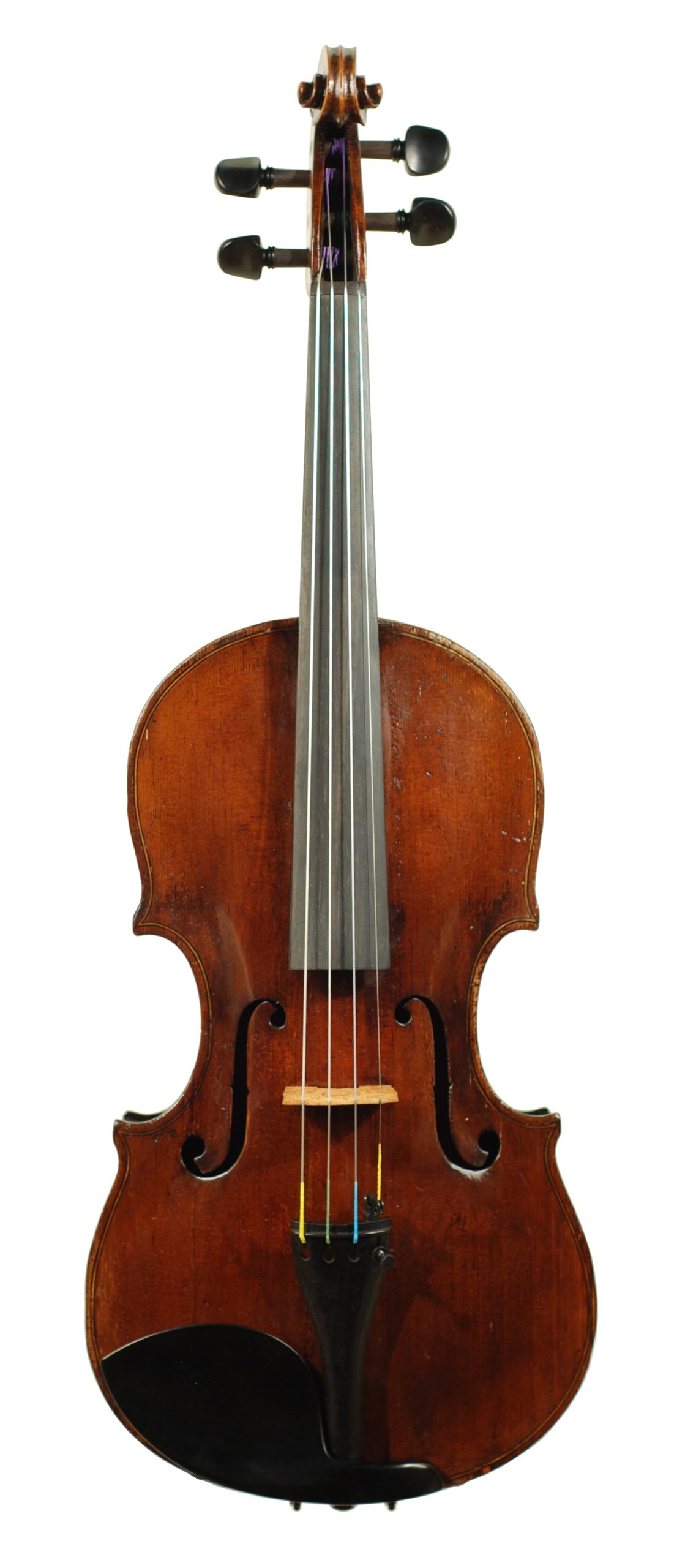
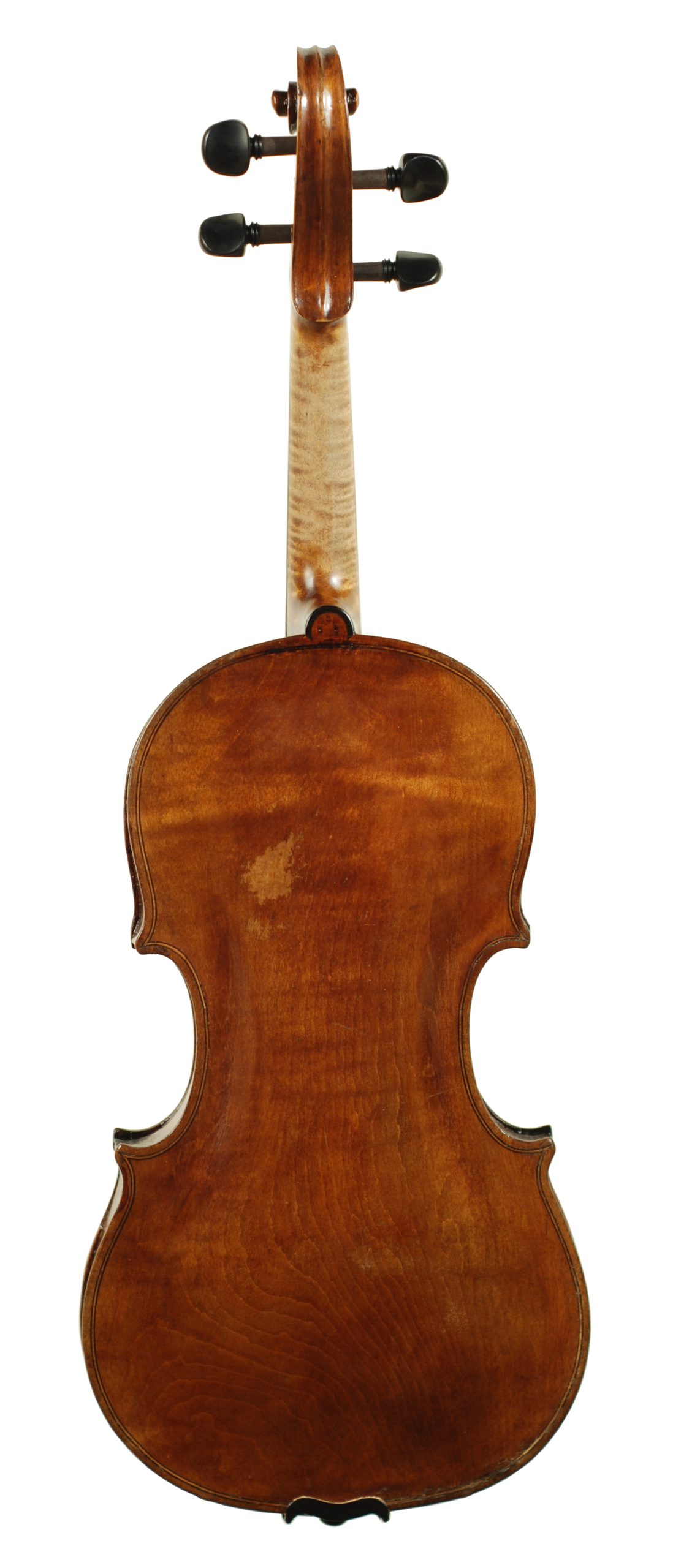
William Smith (~1751–1813) was a maker based in Stockport, England who made violins in the London trade style. He was an active maker from 1770 until his death. He worked in London in the 1770’s, then Sheffield by 1780, and then Stockport England until 1813. Our instrument has William Smith’s name directly written on the maple back plate. “William Smith Maker and London” written underneath his name. The violin is also signed inside on two ribs “William Smith 1813”. The maple and spruce for this violin would have been growing in the 1700’s. The tree was harvested and cut to let dry for 15-20 years. Then Smith chose the exact pieces he wanted for his violin. Forty pieces of wood go into making a violin and not one electrical tool would have touched this instrument. For me it’s neat to think about and witness firsthand as we have had the violin top off too to check every centimeter of the plates and linings.
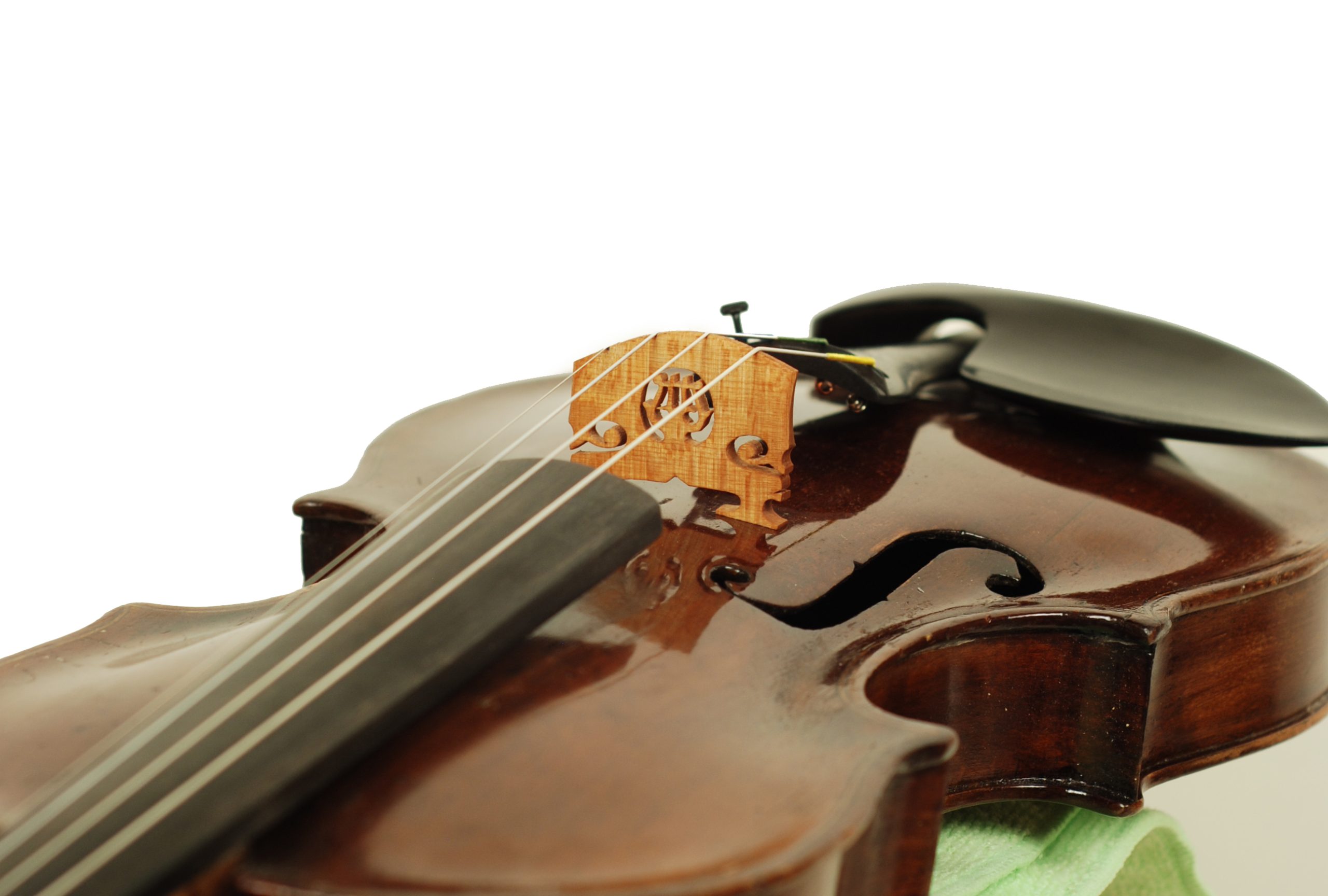
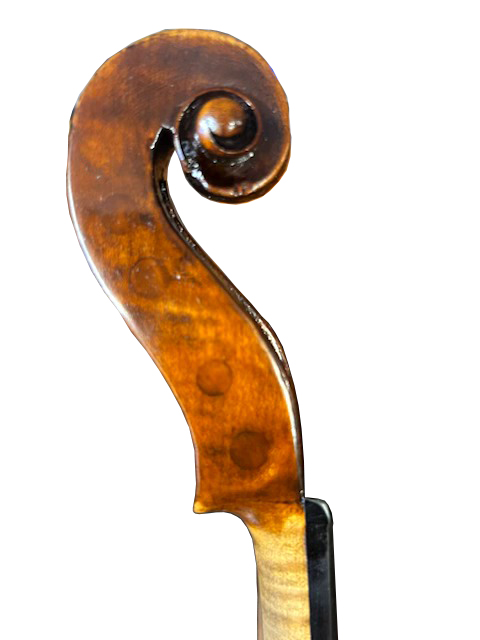
This violin model is his own design, and the f holes are slightly exaggerated. Some of his instruments feature a crown and decorative purfling work. Our violin has the ebony crown and just the standard purfling work. The oil varnish is a dark brown varnish on a yellow/amber ground. The varnish is consistent throughout the violin. We grafted the scroll of the violin and bushed all the pegs holes. Once the bushing were completed, I matched the varnish color of the violin for the scroll. We gave the instrument a new fingerboard, a new nut, and meticulously spent many hours on the instrument. It is in great condition for being close to 215 years old. The violin has a new set of ebony pegs and something special- a 75-year-old Teller bridge, maple with a lyre cut in the heart area. There is a new soundpost, chinrest, button, and tailpiece. The condition is excellent. We secured both wing splits on the treble and the bass wing as well as a small saddle split and a bass side split. All secured and ready for many generations of playing.
Corpus 358.0 mm., Major Width 205.0 mm., Minor Width 164.0 mm., Rib Height 30.0 mm.
The sound is excellent; it is warm and responsive. The tone is full of character. The violin leans to the dark side of sound. This violin is not bright. The instrument has power and articulates well on all four strings; there are no weak points. The violin delivers in sound. It is a Wow! As I strike the strings with a bow the response off the strings pops with vibration, like it’s amplified. The bottom end has a touch of gutsiness, a sustaining ring, and drop of maturity. The treble side is clear-seamless. It’s amazing to me that this violin’s tone is so nice. If this were an Italian violin with this kind of age, players would be drooling over the instrument. Excellent sound, different, inviting, and ready to impress a player. An English gem.
Related products
-
Eastman Model 305 1/4 Size Violin
$1,115.00 Add to cart -
Carlo Gavoni Violin
$2,400.00 Add to cart